Dark vs. Light Floors: Which Is Actually Better? A Designer's Honest Take
HB Flooring Team
Installation Experts
The Internet's Most Heated Flooring Debate
If you've spent any time on Reddit's r/HomeImprovement or r/InteriorDesign, you've seen the question asked a hundred different ways: "Should I go dark or light with my floors?" The comments section inevitably devolves into passionate camps — dark floor devotees insisting they look "more expensive," light floor advocates swearing they're "more practical." Both sides have valid points, and both are missing important nuances.
At HB Flooring, we install both dark and light floors across the Greater Toronto Area every single week. We've seen what works, what homeowners regret, and what actually holds up in the real world — not just in curated Instagram photos. Here's our honest, experience-based breakdown.
The Case for Dark Floors
The Visual Impact Is Undeniable
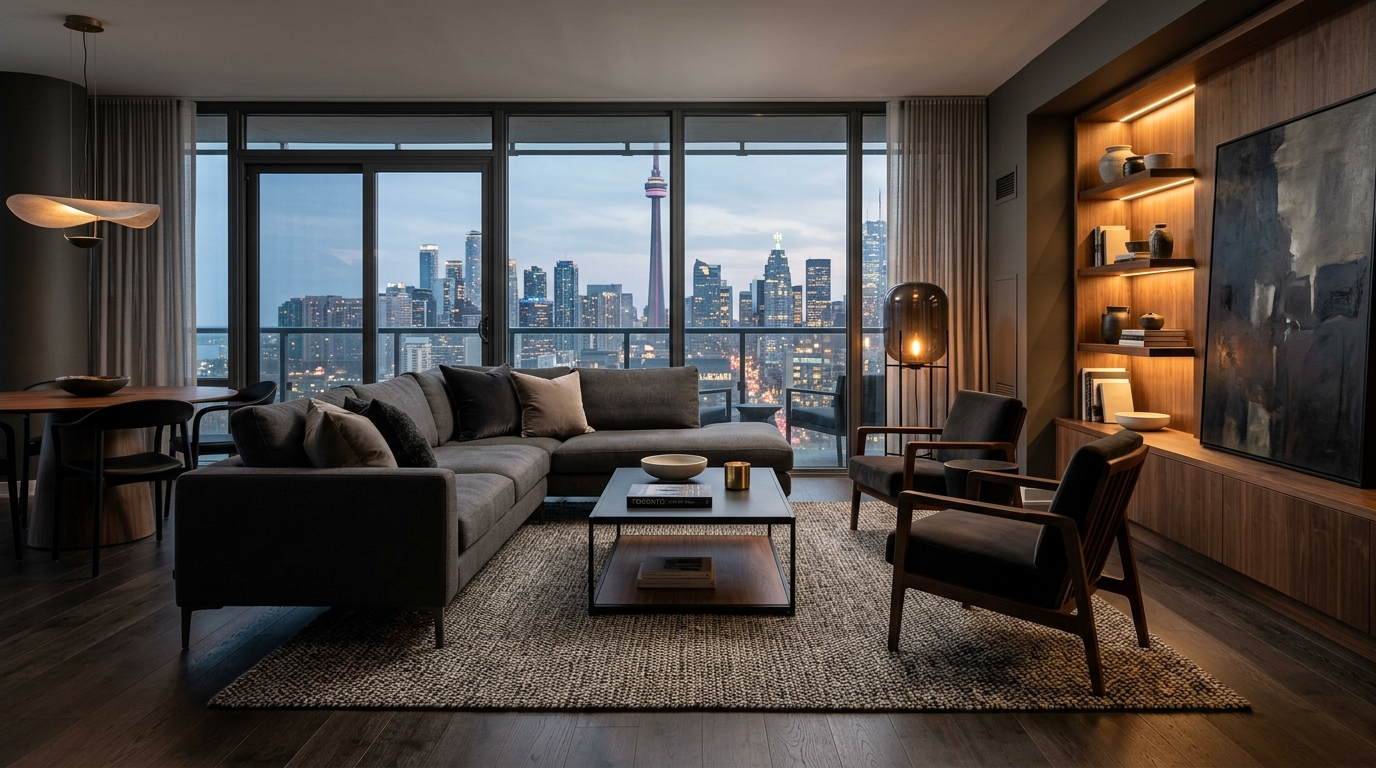
Dark floors — espresso, walnut, charcoal, deep ebony — create an immediate sense of luxury and sophistication. There's a reason high-end Toronto condos in Yorkville and King West frequently feature dark-stained hardwood or deep-toned luxury vinyl plank. Against white walls and bright natural light, dark floors create dramatic contrast that photographs beautifully and feels inherently high-end.
They Ground a Room
In design terms, dark floors "anchor" a space. They provide visual weight at the base of a room, making furniture arrangements feel intentional and cohesive. This is particularly effective in Toronto's newer builds with high ceilings and open floor plans — the dark floor prevents the space from feeling cold or sterile.
The Honest Downsides
Here's what the Instagram photos don't show you:
- Every speck of dust, hair, and crumb is visible. This is the #1 complaint we hear from clients who chose dark floors. On a light floor, a few dust bunnies are invisible. On a dark espresso floor, they're impossible to ignore. If you have pets, young children, or simply don't want to sweep daily, this is a serious consideration.
- Scratches show more. When a dark-stained floor gets scratched, the lighter wood underneath is exposed, creating a high-contrast mark that's highly visible. On light floors, scratches blend in.
- They can make small rooms feel smaller. In Toronto's many compact condos and townhomes, dark floors can absorb light and make already-tight spaces feel cave-like — especially in north-facing units with limited natural light.
- They show water spots and footprints. If you walk across a dark floor with damp feet (very common after a Toronto winter), every footprint is visible until it dries.
The Case for Light Floors
The Practical Advantages Are Real
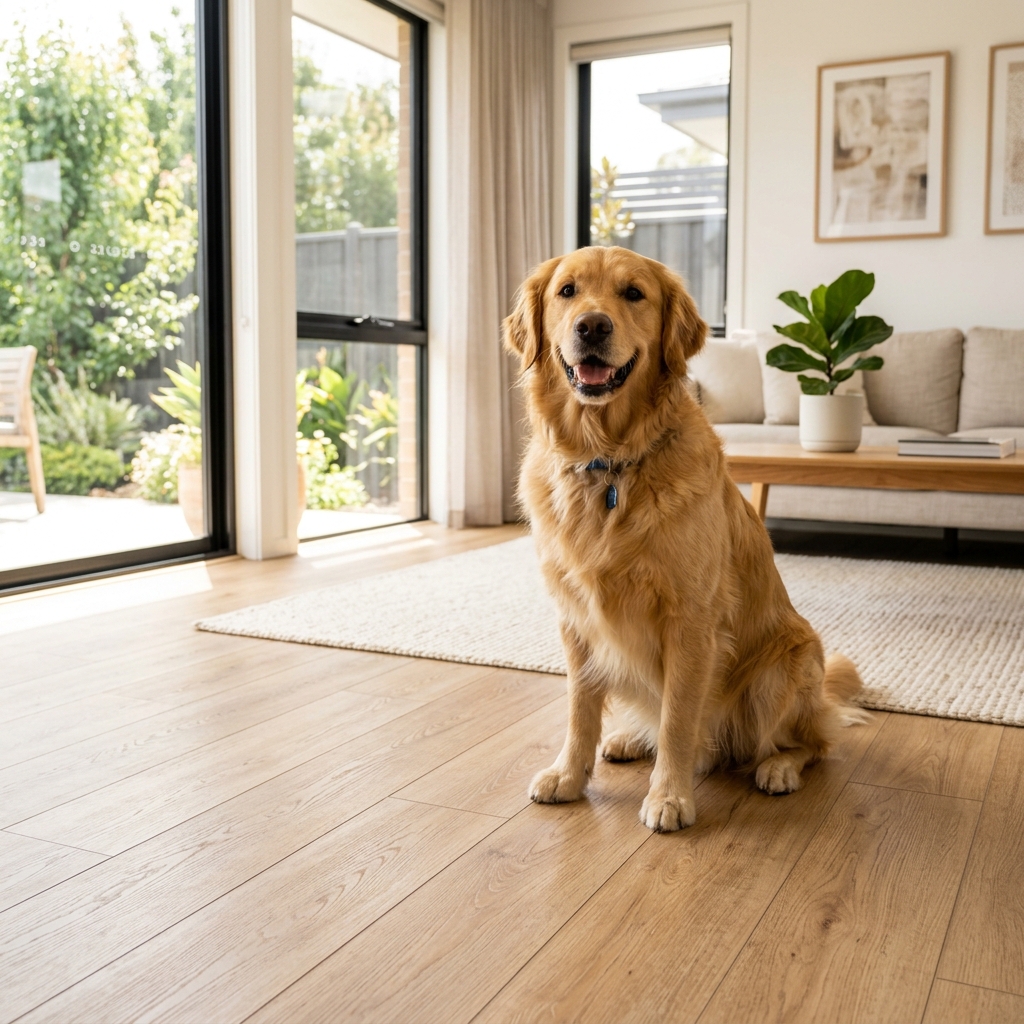
Light floors — natural oak, blonde maple, warm honey, whitewashed — have surged in popularity for good reason. They are dramatically more forgiving in daily life. Dust, pet hair, minor scratches, and water spots are far less visible on light-toned surfaces.
They Make Spaces Feel Larger and Brighter
In a city where real estate prices mean most of us are living in compact spaces, light floors are a genuine design advantage. They reflect natural light, create the illusion of more square footage, and pair effortlessly with virtually any wall colour or furniture style. This is why Scandinavian-inspired interiors — which dominate current Toronto design trends — almost exclusively feature light, natural wood tones.
They're More Timeless
Design trends cycle. Dark espresso floors were the must-have from roughly 2008–2018. Then grey-toned floors dominated from 2016–2022. Now, warm honey and natural oak tones are the standard. Light, warm-toned floors have consistently remained in style across decades because they're neutral enough to adapt to changing furniture and decor trends without clashing.
The Honest Downsides
- Stains show more on very light floors. Spilled red wine, pet accidents, or tracked-in mud are more visible on pale flooring than on dark. However, this is primarily a concern with real hardwood — vinyl plank flooring with its protective wear layer is much more stain-resistant regardless of colour.
- Some people find them "boring." In a room with white walls, white trim, and light floors, the space can feel monochromatic and lacking in character unless you add contrast through furniture and decor.
- They can look cheap if the quality is poor. Low-end light-coloured laminate often looks obviously fake. If you're going light, invest in a product with realistic grain variation and registered embossing.
What We Actually Recommend in Toronto
After years of installing both, here's our honest recommendation framework:
Choose Light Floors If:
- You have pets (especially dogs or cats that shed)
- You have young children
- Your space is under 1,000 sq ft or has limited natural light
- You want maximum resale appeal (light floors currently test best with Toronto buyers)
- You don't want to sweep or vacuum daily
- You're selling within 3–5 years
Choose Dark Floors If:
- You have a large, bright space with abundant natural light
- You value dramatic aesthetics over low-maintenance practicality
- You don't have shedding pets
- You're committed to regular cleaning (or have a robot vacuum running daily)
- The room's design specifically calls for visual weight and contrast
The Middle Ground That Works for Everyone
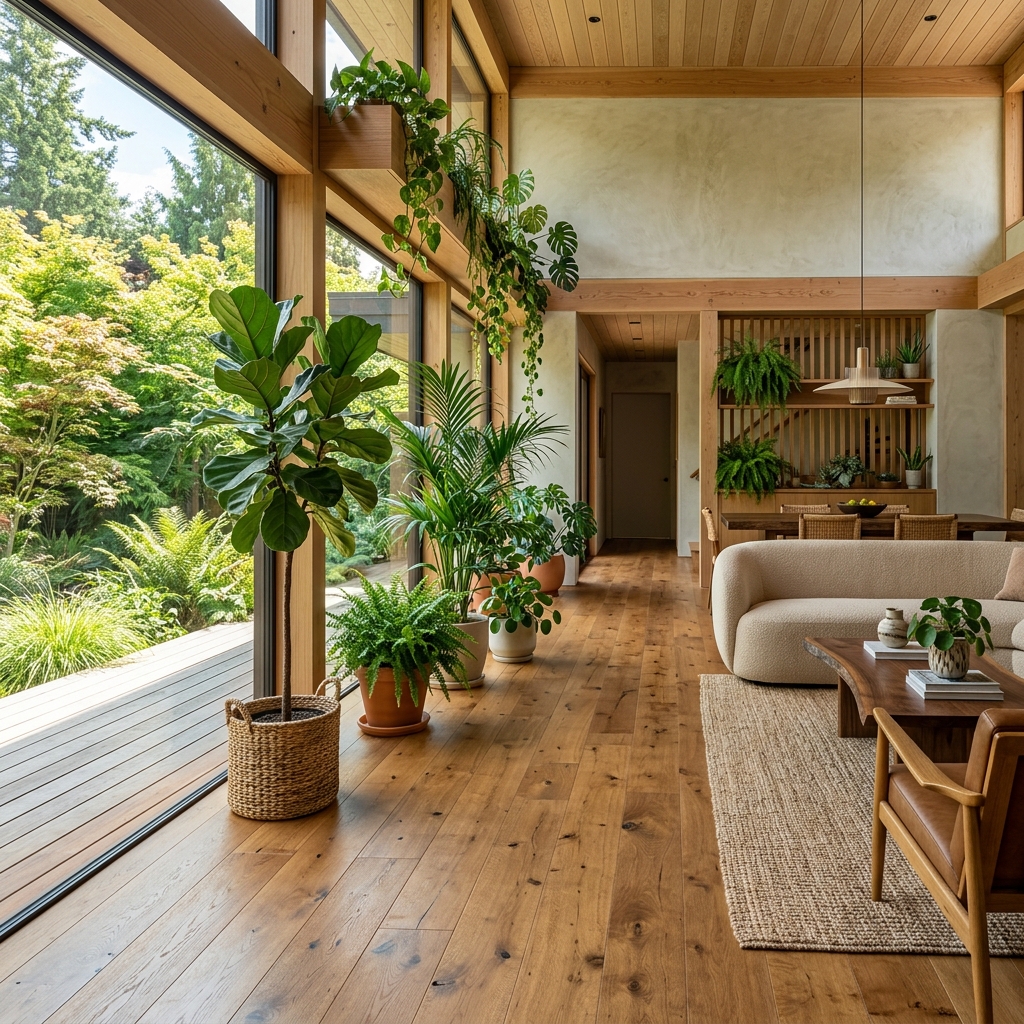
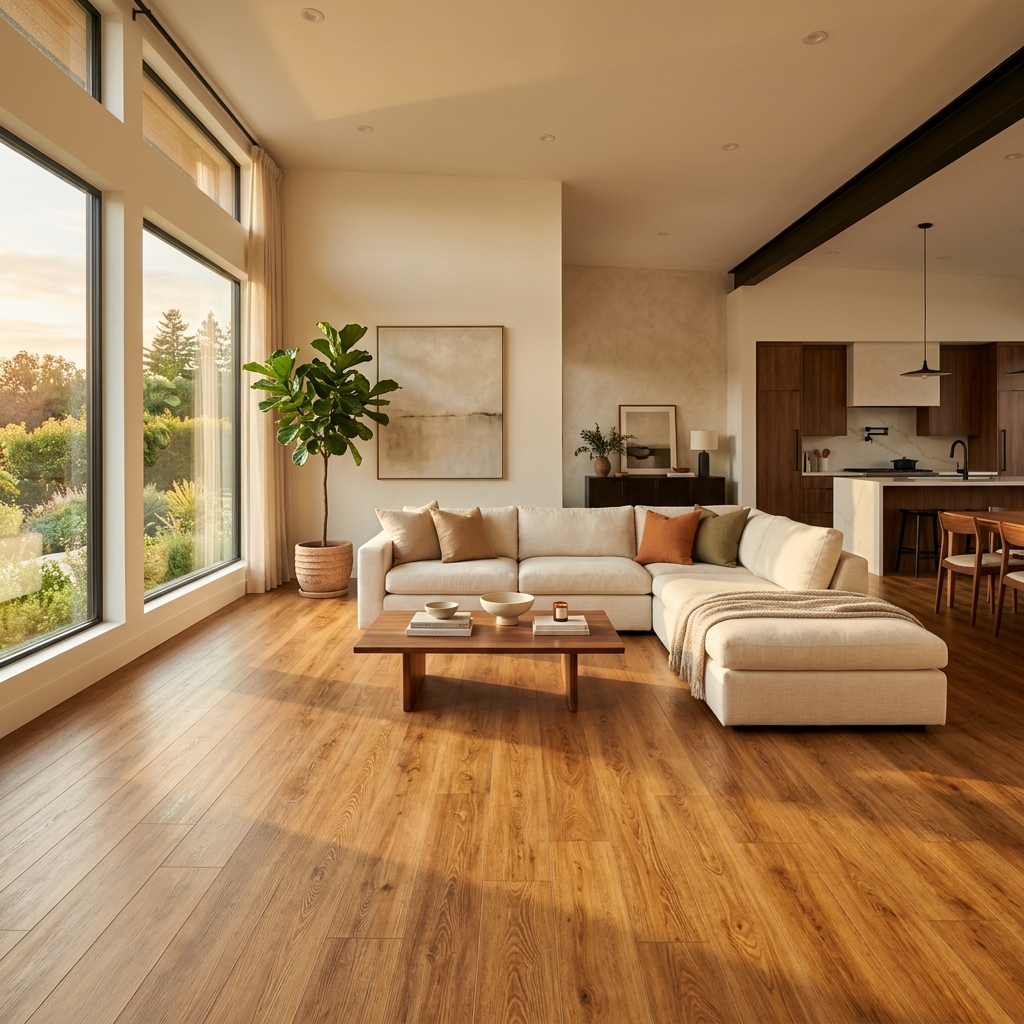
There's a reason "warm medium" tones — natural oak, warm walnut, honey-toned woods — have become the dominant choice in the GTA market. They offer the best of both worlds: enough colour to feel interesting, warm enough to feel inviting, and practical enough to hide everyday dirt and wear. This is the sweet spot we recommend most often.
One More Thing: It Depends on the Material
The dark-vs-light debate plays out very differently depending on your flooring material:
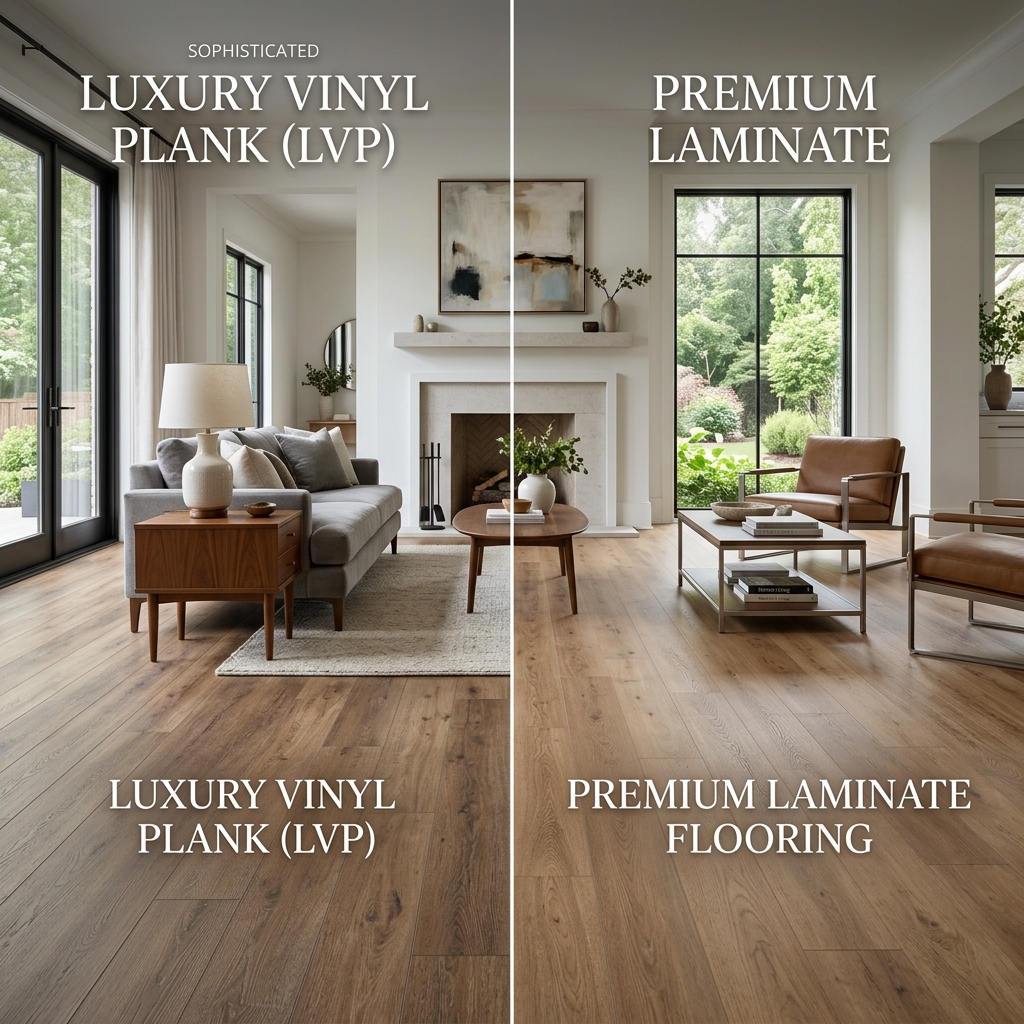
- LVP: The wear layer means scratches are far less of a concern regardless of colour. Dark LVP is significantly more practical than dark hardwood.
- Hardwood: Scratches, dents, and wear patterns are more visible on dark stains. If you choose dark hardwood, opt for a matte or wire-brushed finish — they hide imperfections much better than high-gloss.
- Laminate: Similar to LVP in that the photo layer is protected. Dark laminate is reasonably practical, though dust visibility remains an issue.
See Both Options In Your Space
The best way to decide is to see actual samples in your home, in your lighting conditions. At HB Flooring, we bring a curated selection of both dark and light options to every free in-home consultation. No guessing, no screen-colour disappointments — just real samples on your real floor.
Ready to Upgrade Your Floors?
Get a free, no-obligation quote. Our experts will come to your home, take precise measurements, and bring samples right to your door.
Share this article
About HB Flooring
Toronto's premier flooring installation experts. Specializing in luxury vinyl plank, laminate, and hardwood for over 15 years.
Contact our team →