2026 Flooring Trends: The Colors, Textures & Styles Dominating Toronto Homes
HB Flooring Team
Installation Experts
The End of Gray: Why 2026 Flooring Looks Completely Different
If you renovated your Toronto home anytime between 2015 and 2022, there's a good chance your floors are some shade of cool gray. Gray oak. Gray ash. Gray-washed everything. It was the defining aesthetic of an entire decade of interior design.
It's over.
In 2026, the flooring industry has shifted dramatically — and at HB Flooring, we are seeing the change play out in real time across hundreds of Toronto, Mississauga, Vaughan, and Oakville installations. Homeowners and interior designers alike are moving toward warmth, organic textures, sustainability, and bold pattern choices that would have been unthinkable five years ago.
Whether you're planning a full-home renovation or simply refreshing your main floor, here are the trends you need to know — and more importantly, the ones that will still look timeless in ten years.
1. Warm Honey Tones: The Defining Color of 2026
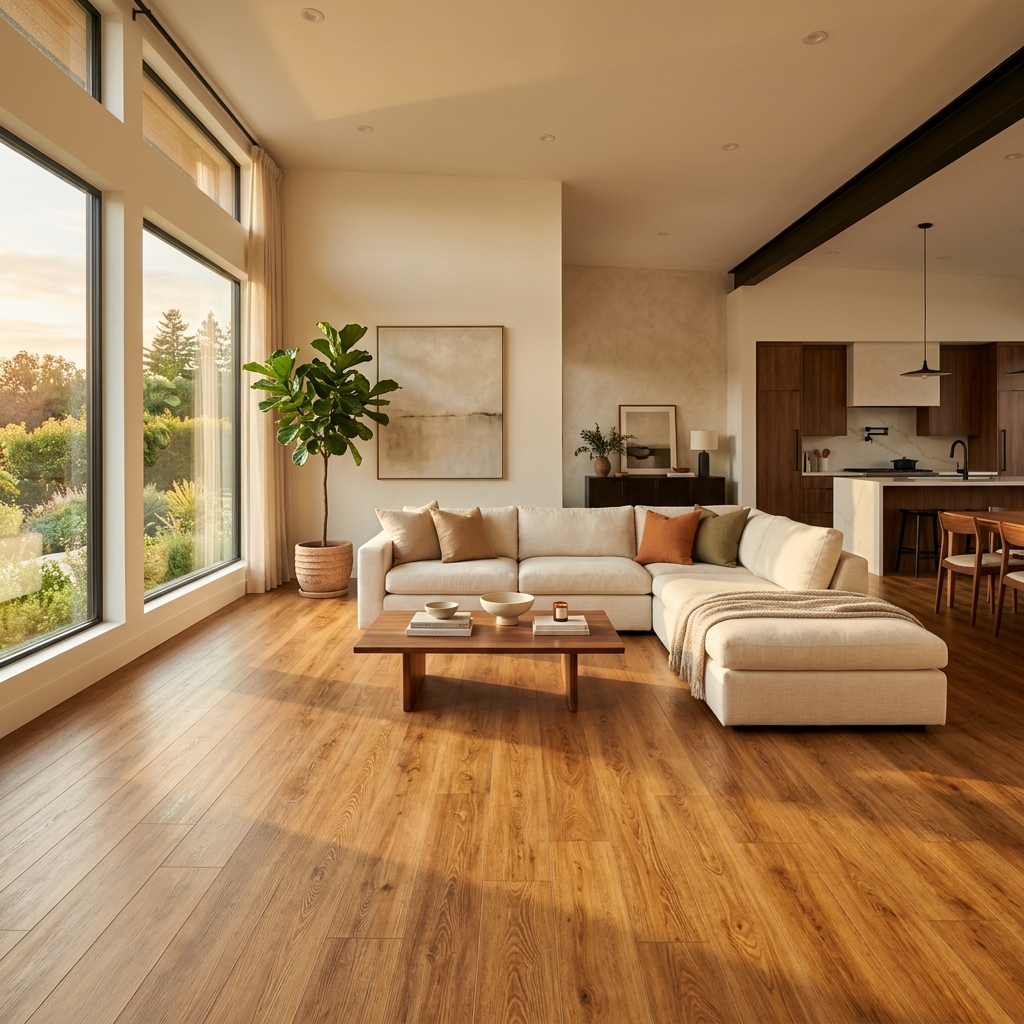
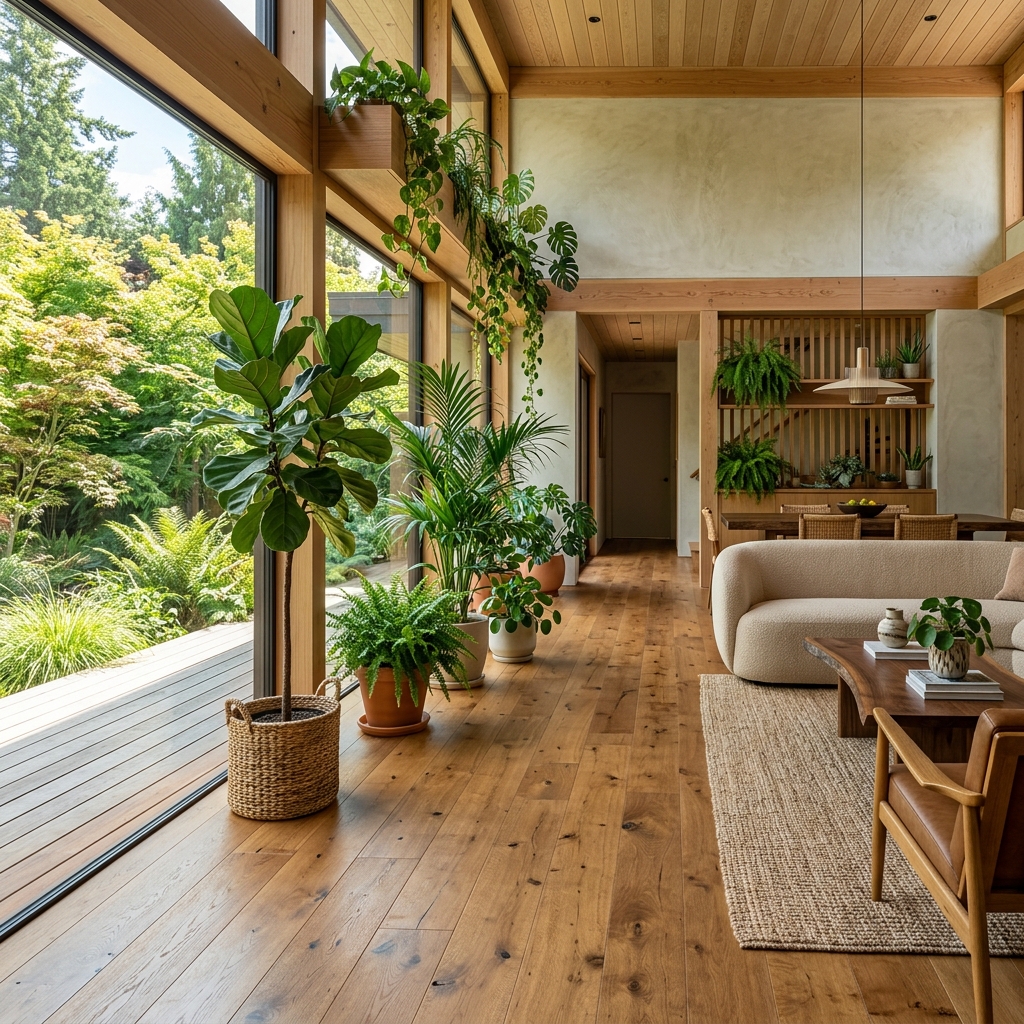
This is the single biggest shift in flooring aesthetics right now. Cool grays are being replaced by medium-light, warm-toned woods that evoke natural sunlight. The most popular shades we're installing across the GTA include:
- Honey Oak: A rich, golden-amber tone that feels inviting without being overwhelming. This is the #1 requested color in our showroom.
- Soft Caramel: Slightly deeper than honey with subtle red undertones. Pairs beautifully with white cabinetry and brass hardware — a combination dominating Toronto kitchen renovations.
- Light Chestnut: A warm brown with depth and character. Popular in Toronto's Edwardian and Victorian homes where homeowners want a modern update that still respects the home's heritage.
- Natural White Oak: Not bleached or whitewashed, but the genuine, unaltered warm tone of white oak. Minimal, Scandinavian-influenced, and incredibly versatile.
Why the shift? Designers point to a collective desire for comfort and warmth after years of stark, minimal interiors. Warm honey tones make spaces feel lived-in, inviting, and emotionally grounding — qualities homeowners are increasingly prioritizing over "showroom-perfect" aesthetics.
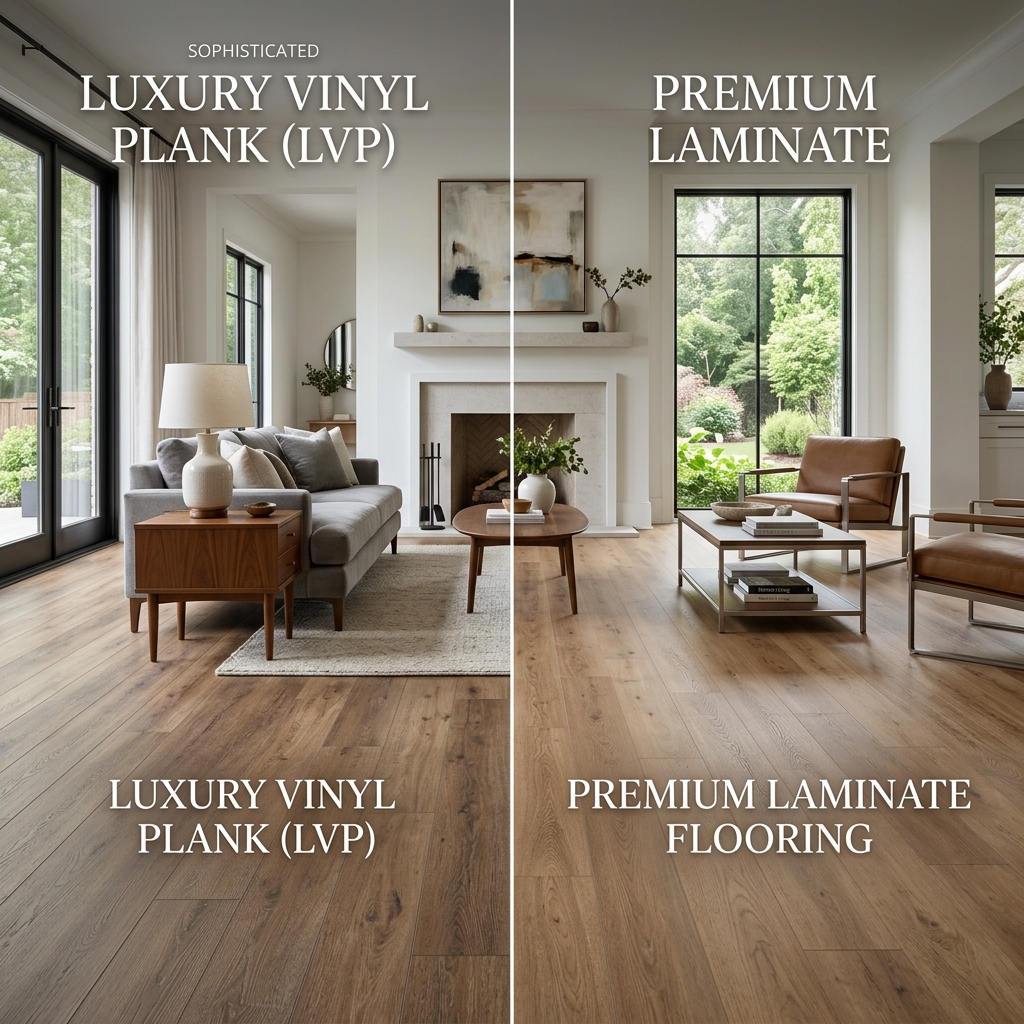
Both luxury vinyl plank and premium laminate now offer these warm tones with stunning realism, meaning you can achieve this look at a fraction of the cost of solid hardwood.
2. Ultra-Wide Planks: Fewer Seams, Bigger Impact
Standard 5-inch-wide planks are rapidly being replaced by wider formats:
- 7-inch wide: The new "standard" — widely available in both vinyl plank flooring and laminate.
- 9-inch wide: Increasingly popular for open-concept main floors. Creates a dramatic, luxurious look with significantly fewer seam lines.
- 10–12-inch wide: The premium tier. These planks create a statement, especially in large Toronto living rooms, great rooms, and loft-style condos.
Why Wide Planks Work So Well in Toronto Homes
Toronto's housing market includes everything from 600 sq ft condos to sprawling Bridle Path estates. Wide planks benefit both ends of the spectrum:
- Small spaces (condos, townhomes): Fewer seam lines create a visual illusion of more space. The eye travels further without interruption, making compact rooms feel larger and more open.
- Large spaces (detached homes): Wide planks provide the scale and presence that a large room demands. Narrow planks in a 500 sq ft great room can look busy and undersized.
One practical note from our professional installation team: wider planks require a flatter subfloor. If you live in an older Toronto home (pre-1970s), budget for proper subfloor leveling to ensure a perfect result.
3. Matte and Ultra-Matte Finishes
The glossy, mirror-like floor finishes of the 2000s have been fully abandoned. In 2026, the dominant finish is matte — and the more "raw" it looks, the better.
Why Matte Dominates
- Authenticity: Matte finishes mimic the look of unfinished, natural wood. They don't reflect light unnaturally, creating a more organic, grounded aesthetic.
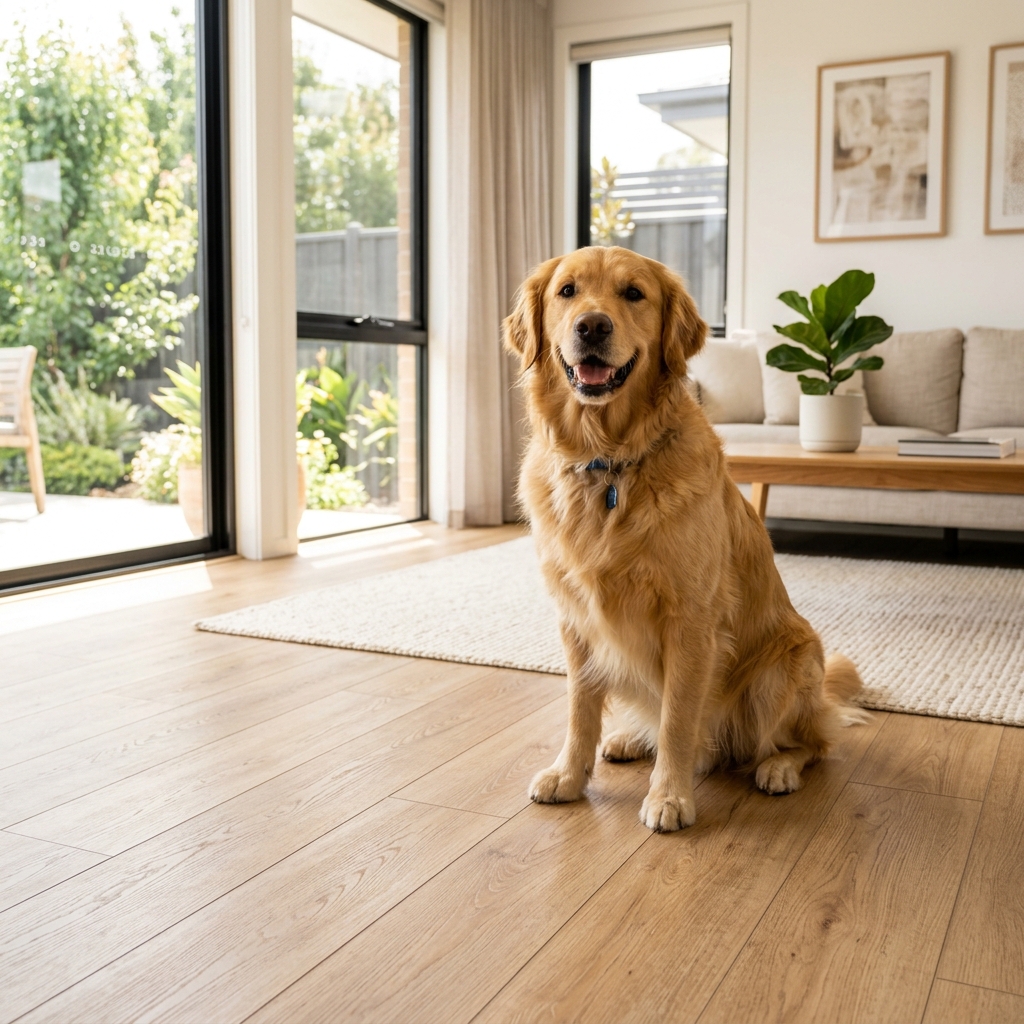
- Practicality: Glossy floors show every fingerprint, dust bunny, pet hair strand, and water spot. Matte floors are dramatically more forgiving — a huge advantage for busy Toronto families and pet owners.
- Photography: In an era where homeowners photograph their spaces for social media and real estate listings, matte floors photograph beautifully without harsh reflections or glare.
Ultra-matte finishes — sometimes called "raw look" or "invisible finish" — take this even further, creating floors that genuinely look and feel like untreated wood. This is the fastest-growing sub-trend in the hardwood flooring Toronto market.
4. Biophilic Textures: Floors You Can Feel
Biophilic design — the practice of connecting indoor spaces with the natural world — has moved from niche architectural theory to mainstream consumer demand. In flooring, this translates to surfaces with tactile, organic textures.
The most popular biophilic textures in 2026:
- Wire-brushed: The soft wood fibers are brushed away, leaving the harder grain structure raised and exposed. The result is a surface with subtle ridges that feels genuinely like real wood.
- Hand-scraped: Mimics the look of floors hand-planed by craftsmen centuries ago. Adds tremendous character and hides wear beautifully.
- Embossed-in-Register (EIR): Found in premium LVP and laminate, EIR means the surface texture perfectly aligns with the printed grain pattern. Every knot you see, you can feel. This technology has become so advanced that even flooring professionals struggle to distinguish EIR vinyl from real wood at first glance.
- Cerused/Limed: A technique where white or light pigment is rubbed into the grain, creating a two-tone effect that highlights the wood's natural texture. Very popular in contemporary Toronto interiors.
5. Herringbone and Chevron Patterns: The Statement Floor
Pattern-laid floors are no longer reserved for European chateaux. In 2026, herringbone and chevron patterns are having a major moment in Toronto homes, particularly in:
- Entryways and foyers: A herringbone entry creates an immediate "wow" moment that sets the tone for the entire home.
- Dining rooms: Defines the space as special and intentional, even in open-concept layouts.
- Primary bedrooms: Adds a boutique-hotel level of sophistication.
- Kitchen accent zones: Some clients use herringbone in the kitchen and straight-lay in the living area, creating a visual "rug" effect that delineates the space.
Herringbone installation is more labor-intensive (and therefore more expensive) than straight-lay — expect to pay 30–50% more in installation costs. But the visual impact is undeniable. At HB Flooring, herringbone installations have become one of our fastest-growing service categories.
6. Sustainable and Low-VOC Materials
Toronto homeowners are increasingly environmentally conscious, and the flooring industry is responding. Key sustainability trends in 2026 include:
- Low-VOC and zero-VOC products: Volatile organic compounds off-gas from some flooring products and adhesives, affecting indoor air quality. Premium LVP and laminate brands now offer certified low-VOC options — essential for families with children, pets, or sensitivities.
- Recycled content: Some vinyl plank manufacturers now incorporate up to 30% recycled material in their rigid cores without compromising performance.
- FSC-certified hardwood: For homeowners choosing real hardwood flooring in Toronto, Forest Stewardship Council certification ensures the wood comes from responsibly managed forests.
- Cork and IXPE underlayment: Natural cork underlayment is both renewable and biodegradable, offering excellent acoustic and thermal properties for Toronto's cold winters.
7. Mixed-Material Transitions
Gone are the days of one flooring material wall-to-wall. In 2026, Toronto designers are embracing intentional transitions between materials:
- LVP on the main floor transitioning to porcelain tile in the bathroom, with a custom brass threshold strip.
- Herringbone in the kitchen flowing into straight-lay in the living room.
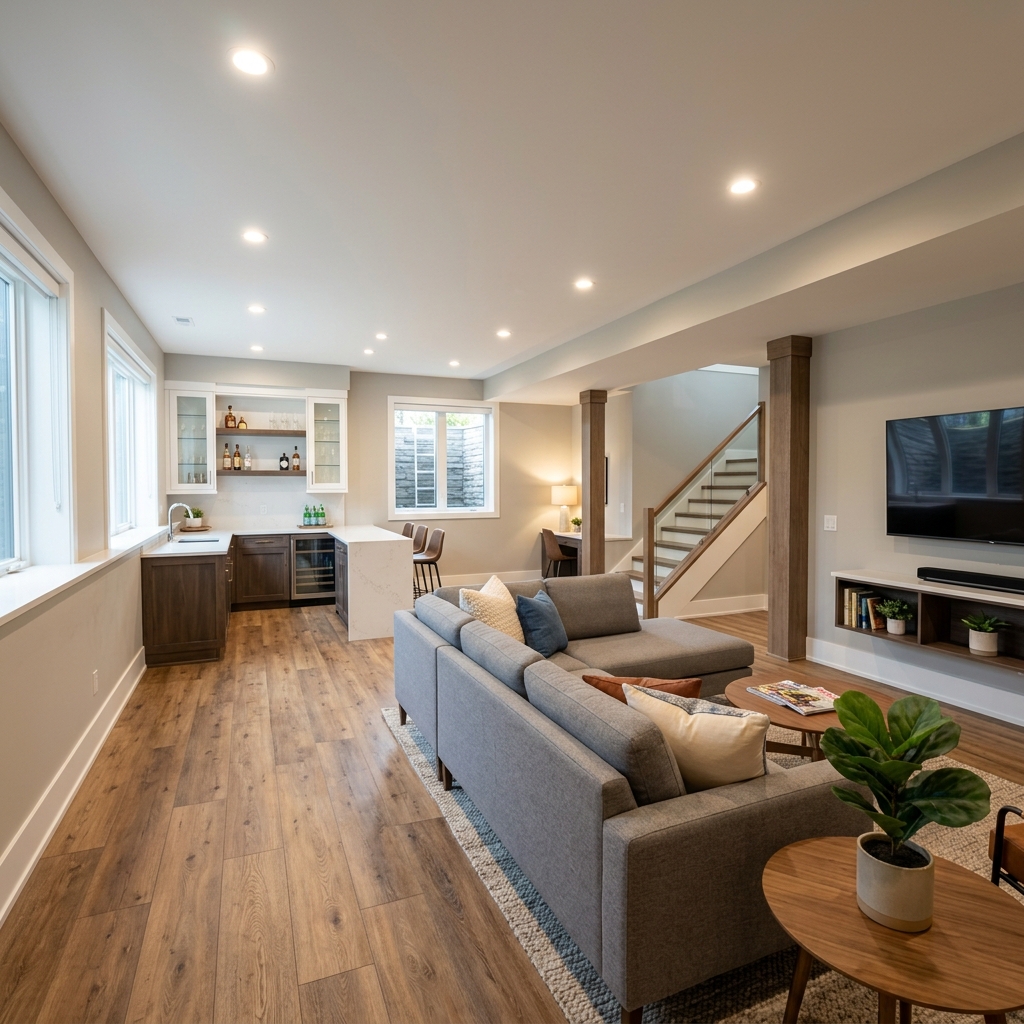
- Warm LVP on the main level with a cooler-toned option in the finished basement.
These thoughtful material transitions add architectural interest and allow each space to have its own identity while maintaining visual cohesion throughout the home.
Which Trends Will Last? Our Honest Take
Not every trend has staying power. Here's our take on what will endure:
- Timeless (10+ years): Warm honey tones, matte finishes, wide planks, and biophilic textures. These feel organic and natural — they won't date.
- Strong longevity (5–8 years): Herringbone patterns and mixed-material transitions. Classic patterns with a modern twist.
- Trend-dependent (3–5 years): Extreme ultra-matte "raw" finishes and very dark espresso tones. Beautiful now, but may feel dated faster.
Ready to Bring These Trends Into Your Home?
HB Flooring stays at the forefront of Toronto's design scene. We bring the latest samples — from warm honey LVP to herringbone laminate — directly to your home so you can see how they look in your space, with your lighting, and against your walls. Book your free in-home consultation and discover which 2026 trend is the perfect fit for your Toronto home.
Ready to Upgrade Your Floors?
Get a free, no-obligation quote. Our experts will come to your home, take precise measurements, and bring samples right to your door.
Share this article
About HB Flooring
Toronto's premier flooring installation experts. Specializing in luxury vinyl plank, laminate, and hardwood for over 15 years.
Contact our team →