How to Clean Vinyl Plank Flooring the Right Way (Stop Ruining Your LVP)
HB Flooring Team
Installation Experts
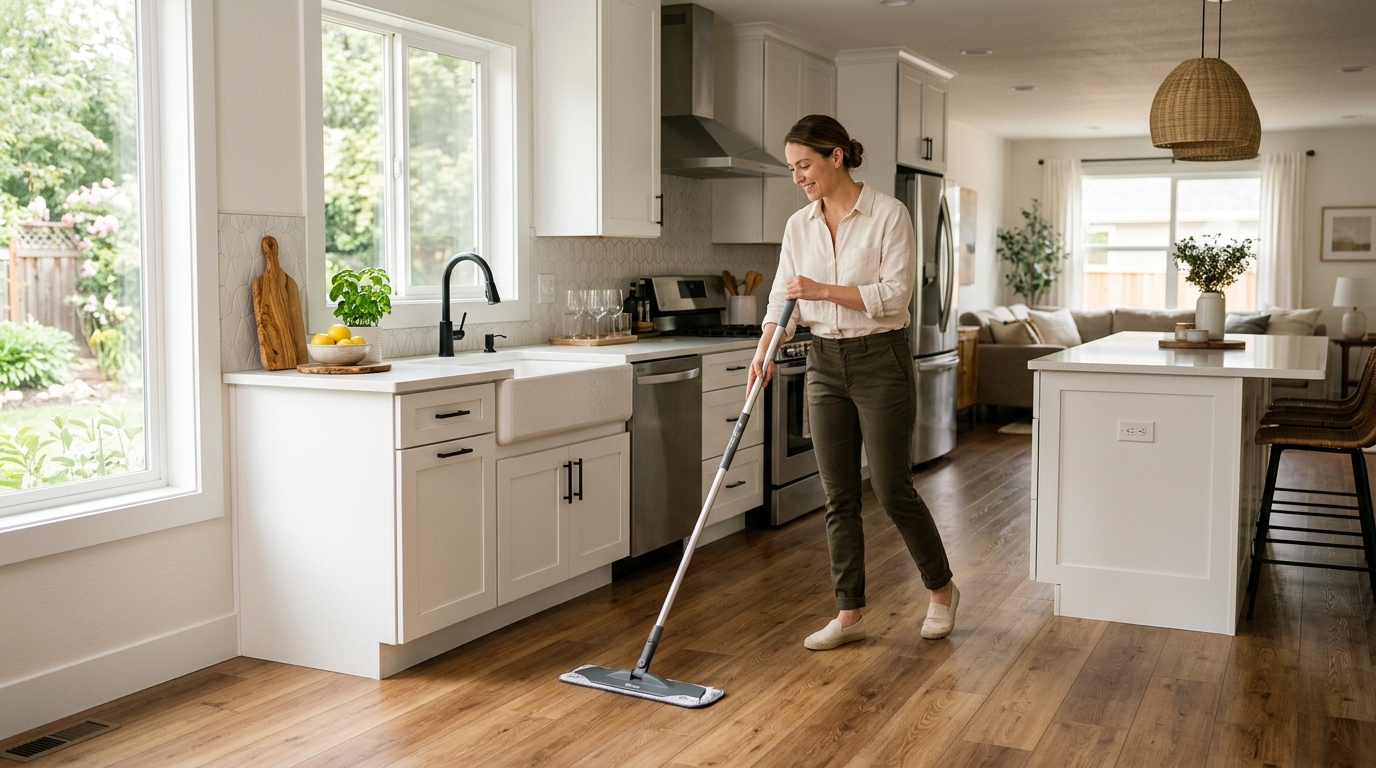
You're Probably Cleaning Your LVP Wrong
This might be the most-asked flooring question on the internet: "What's the best way to clean luxury vinyl plank flooring?" A quick scroll through Reddit, Facebook groups, or Google reveals hundreds of conflicting answers — some recommending steam mops (don't), some swearing by vinegar solutions (be careful), and others suggesting products that will literally void your warranty.
At HB Flooring, we install luxury vinyl plank in Toronto homes every day, and we always walk our clients through proper care. Here's the definitive guide to cleaning your LVP floors — based on what actually works and what the manufacturers themselves recommend.
The Golden Rule: Less Is More
LVP is one of the lowest-maintenance flooring materials on the market. Its protective wear layer is designed to resist stains, scratches, and moisture. In most cases, you don't need specialized products or aggressive cleaning methods. Over-cleaning — using too much water, too much product, or too much heat — causes more problems than dirt ever will.
Daily / Weekly Maintenance
Step 1: Sweep or Vacuum (The Most Important Step)
The single most important thing you can do for your LVP floors is regular dry cleaning. Sand, grit, and small debris act like sandpaper under your feet, slowly dulling the wear layer over time. In Toronto, where winter means tracked-in salt, gravel, and road grit, this is especially critical.
- Sweep with a soft-bristle broom or dust mop daily in high-traffic areas.
- Vacuum weekly using a hard-floor setting (beater bar OFF). A vacuum with a spinning brush bar can scratch the surface.
- Robot vacuums are excellent for LVP maintenance. Running one daily keeps grit at bay with zero effort.
Toronto winter tip: Place quality door mats at every entrance — ideally a rough-textured mat outside the door to scrape boots, and a softer absorbent mat inside to catch moisture and salt. This single step prevents 80% of LVP wear.
Step 2: Damp Mop (Not Wet Mop)
For regular cleaning beyond sweeping, a damp mop is all you need. The key word is damp — not wet. The mop should be wrung out enough that it leaves no visible water on the floor.
- Use a flat microfiber mop (like a Bona or O-Cedar). Avoid string mops — they hold too much water.
- Use warm water with a few drops of dish soap (yes, really — Dawn or similar works perfectly).
- Alternatively, use a pH-neutral floor cleaner specifically designed for vinyl (Bona Hard-Surface Floor Cleaner is widely recommended by manufacturers).
- Mop in the direction of the planks for the most efficient cleaning.
What NOT to Use on LVP
This is where most homeowners go wrong. The following products and methods can damage your LVP, dull the finish, or void your manufacturer's warranty:
❌ Steam Mops
This is the big one. Never use a steam mop on LVP. The extreme heat (up to 200°F/93°C) can:
- Warp or buckle the planks
- Damage the click-lock joints by softening the core
- Cause the wear layer to delaminate from the core
- Void virtually every manufacturer's warranty
We know steam mops feel satisfying — the idea of "sanitizing" the floor is appealing. But LVP does not need sanitizing. A damp mop with a mild cleaner is sufficient for a hygienic floor.
❌ Abrasive Cleaners
Anything with "scrubbing" particles, steel wool, scouring pads, or abrasive powders will scratch the wear layer. Once scratched, the wear layer can't be repaired — the damage is permanent.
❌ Wax, Polish, or "Shine" Products
LVP has a built-in shine from its factory-applied wear layer. Adding wax or polish creates a filmy buildup that attracts dirt, dulls over time, and makes the floor look cloudy. If your LVP looks dull, it usually means there's product buildup — not that it needs more product.
❌ Undiluted Vinegar
The internet loves recommending vinegar for everything. While a heavily diluted vinegar solution (1 cup per gallon of water) is unlikely to cause immediate damage, vinegar is acidic and can gradually dull the finish with repeated use. Most manufacturers explicitly advise against it. Stick with pH-neutral cleaners instead.
❌ Bleach or Ammonia
These harsh chemicals can discolour the wear layer and damage the printed design layer beneath. Never use them on LVP.
How to Handle Specific Stains
LVP's wear layer resists most stains, but some need targeted attention:
- Scuff marks (from shoes): Rub gently with a pencil eraser or tennis ball. For stubborn scuffs, a tiny amount of WD-40 on a cloth works, followed by wiping with a damp cloth to remove residue.
- Grease or oil (kitchen spills): Dawn dish soap and warm water. Let it sit for 2–3 minutes, then wipe.
- Permanent marker or ink: Isopropyl alcohol (rubbing alcohol) on a soft cloth. Wipe gently, then clean with damp cloth.
- Sticky residue (tape, stickers): A small amount of mineral spirits on a cloth, followed by damp wiping.
- Winter salt stains: A solution of warm water and a few drops of dish soap. Mop the affected area, then dry immediately. This is a very common Toronto-specific issue.
Protecting Your LVP Long-Term
Beyond cleaning, these preventive measures will keep your floors looking new for years:
- Furniture pads: Stick felt pads under all furniture legs. Replace them every 6–12 months as they wear down and collect grit.
- No rubber-backed mats: Rubber and latex can stain vinyl through a chemical reaction called "plasticizer migration." Use mats with felt or PVC backing instead.
- Window coverings: Direct, prolonged sunlight can cause LVP to fade or discolour over time. Use blinds or curtains in south- and west-facing rooms with floor-to-ceiling windows (very common in Toronto condos).
- Heavy furniture: Use wide, flat coasters under heavy furniture to distribute weight and prevent indentation.
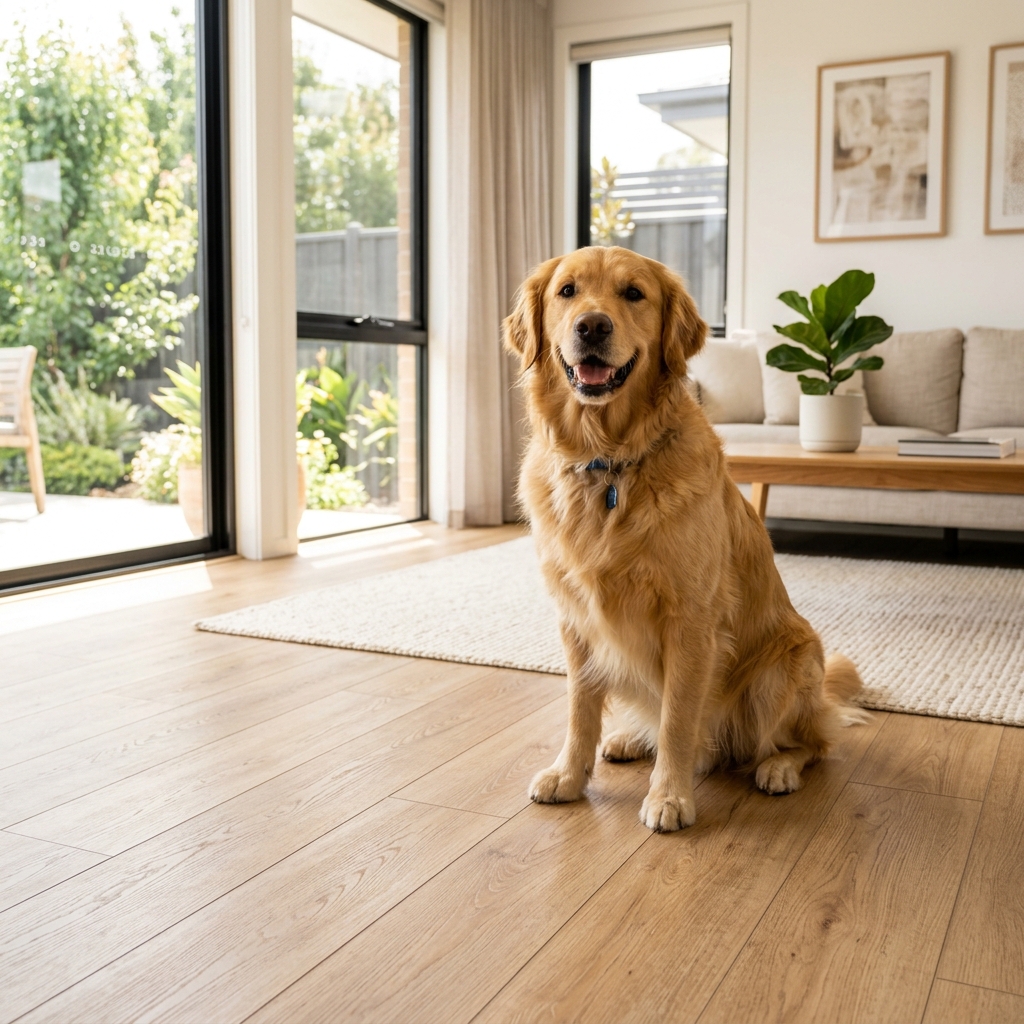
- Pet nails: Keep pets' nails trimmed. While LVP is scratch-resistant, long, sharp nails on large dogs can eventually wear through the wear layer in high-traffic paths.
The Simple Routine That Works
Here's the cleaning routine we recommend to every Toronto homeowner after we install their LVP:
- Daily: Quick sweep or robot vacuum run (especially in winter).
- Weekly: Damp mop with warm water + a drop of dish soap or pH-neutral cleaner.
- Monthly: Check and replace furniture pads as needed.
- Seasonally: Deep clean with a manufacturer-recommended vinyl floor cleaner.
That's it. No special products, no expensive machines, no complicated routines. Vinyl plank flooring is designed to be low-maintenance — let it be.
Questions About Your LVP Care?
If you've noticed dulling, damage, or have questions about maintaining your floors, HB Flooring is always happy to help. Reach out for a free consultation — whether you need maintenance advice on an existing floor or want to explore your options for a new installation.
Ready to Upgrade Your Floors?
Get a free, no-obligation quote. Our experts will come to your home, take precise measurements, and bring samples right to your door.
Share this article
About HB Flooring
Toronto's premier flooring installation experts. Specializing in luxury vinyl plank, laminate, and hardwood for over 15 years.
Contact our team →