How to Prevent Scratches on Hardwood Floors: 10 Things That Actually Work
HB Flooring Team
Installation Experts
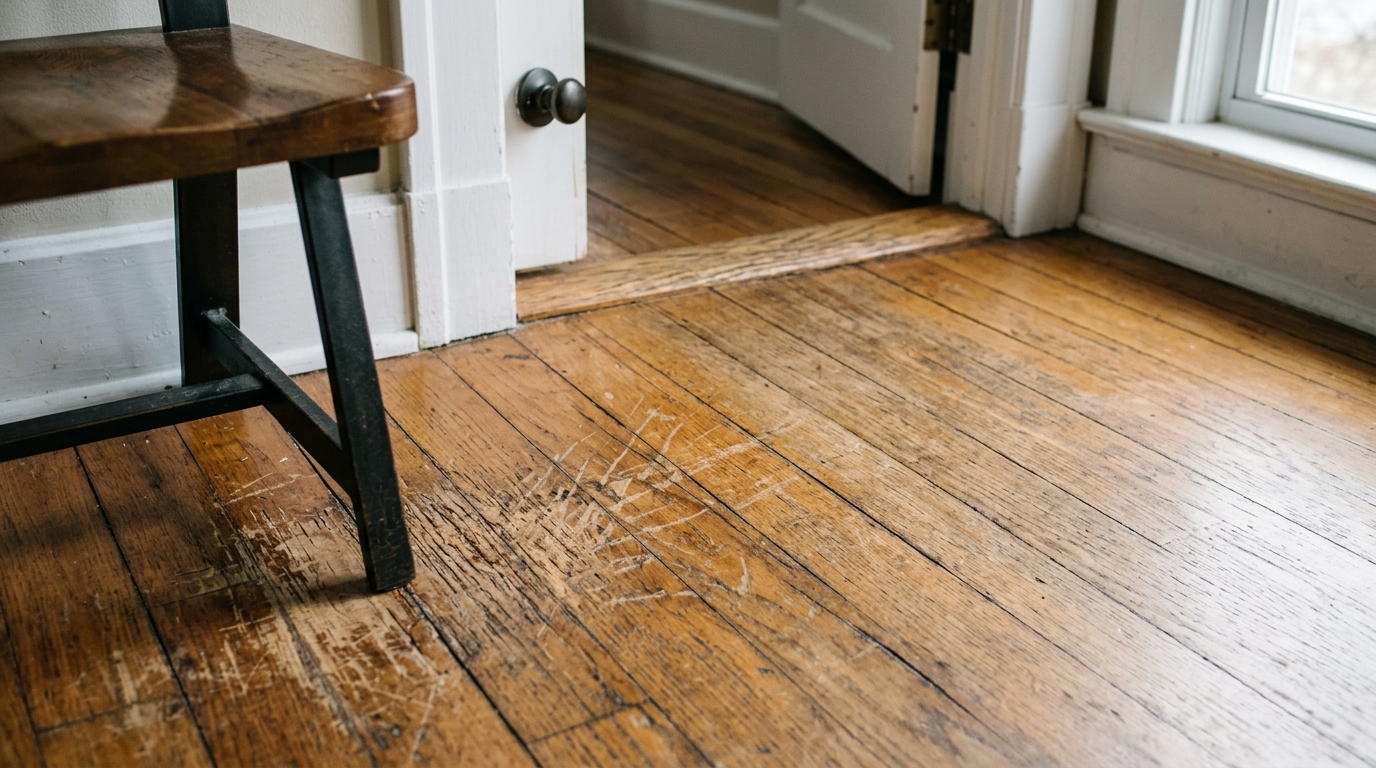
Your Hardwood Floors Will Get Scratched. Here's How to Minimize It.
Let's start with an uncomfortable truth: if you have real hardwood floors, they will get scratched eventually. Wood is a natural, organic material. It dents, it scratches, it wears. That's part of its character — and frankly, light patina and wear can add warmth and authenticity to a home.
But there's a big difference between a floor that develops graceful character over a decade and one that looks destroyed after six months. The difference isn't luck — it's prevention. At HB Flooring, we've been installing and maintaining hardwood flooring in Toronto homes for years, and we consistently see the same preventable mistakes causing the most damage. Here are the 10 things that actually work.
1. Use Felt Furniture Pads — And Replace Them Regularly
This is the single most effective thing you can do to protect hardwood floors, and it costs almost nothing. Stick-on felt pads under every chair leg, table leg, sofa leg, and bed frame prevent the metal, plastic, or wood furniture bases from grinding directly against your floor.
The critical detail most people miss: felt pads collect grit over time. After 6–12 months, the pad itself becomes a piece of sandpaper pressed against your floor. Replace them at least annually — more often for dining chairs that move frequently.
- Use thick, high-density felt (not the cheap thin ones from the dollar store)
- For heavy furniture, use wide, round pads that distribute weight
- For dining chairs, consider chair leg caps (silicone sleeves) instead of adhesive pads — they stay on better when chairs are moved constantly
2. Adopt a No-Shoes Policy (Or At Least No Hard Soles)
Shoes — especially high heels, cleats, hard-soled dress shoes, and winter boots with gravel trapped in the treads — are the #1 source of scratches on hardwood floors. A single piece of gravel trapped in a shoe tread acts like a tiny chisel being dragged across your floor with every step.
In Toronto, where winter means salt, sand, and gravel are tracked in for five months of the year, a no-shoes policy (or at minimum, a "remove boots at the door" policy) will dramatically extend your floor's life. Keep a shoe rack or bench at every entrance.
3. Use the Right Entry Mats
A quality entry mat system is your first line of defence:
- Outside the door: A rough, scraping mat (coir or rubber bristle) to knock off the worst debris.
- Inside the door: A large, absorbent mat to catch moisture and fine grit. Make it big enough that you take 3–4 steps on it — most debris falls off within the first few steps.
- Important: Avoid rubber-backed mats on hardwood. The rubber can trap moisture and cause discolouration. Use mats with felt or breathable PVC backing.
4. Keep Pet Nails Trimmed
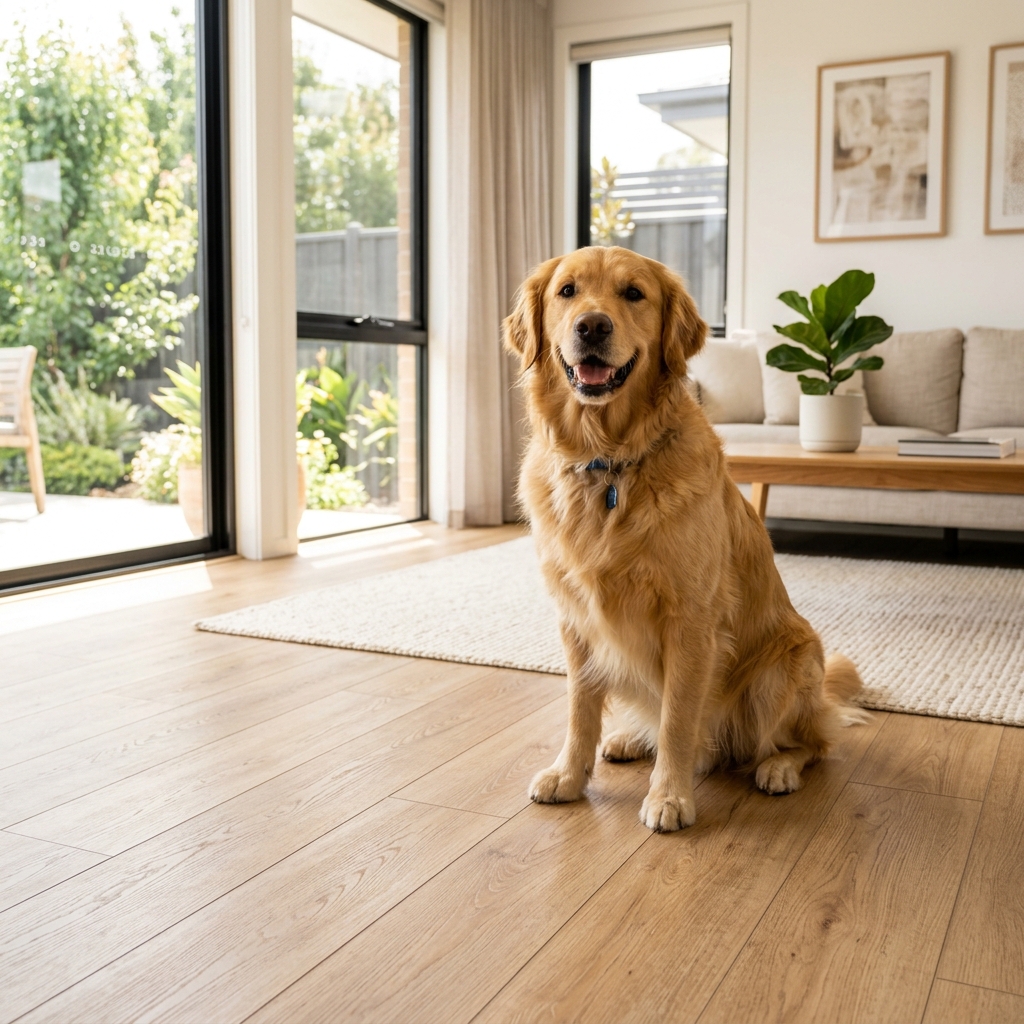
Dogs are hardwood's natural enemy. Their claws — especially on larger breeds — apply concentrated pressure on a tiny surface area with every step. A 70-lb dog with long nails is essentially clicking stiletto heels across your hardwood all day.
- Trim nails every 2–3 weeks (if you can hear clicking on the floor, they're too long)
- Use nail grinders instead of clippers for smoother, rounder edges
- Consider nail caps (like Soft Paws) for dogs who resist trimming
- If you're choosing new floors for a home with large dogs, consider pet-friendly flooring options like LVP with a 20+ mil wear layer — it's vastly more scratch-resistant than any hardwood
5. Never Drag Furniture — Always Lift
Dragging a sofa, appliance, or heavy chair across hardwood creates deep gouges that are extremely difficult to repair without sanding. Always lift furniture when moving it, or use furniture sliders (plastic discs that go under the legs for sliding across the floor). For heavy items, use a furniture dolly with soft rubber wheels.
6. Choose the Right Hardwood Species
Not all hardwood is equally scratch-resistant. The Janka hardness scale measures a wood species' resistance to denting. Higher is harder:
- Pine (420 Janka): Very soft. Dents and scratches easily. Common in older Toronto homes but not recommended for new installations in high-traffic areas.
- Red Oak (1,290 Janka): The most common domestic hardwood. Reasonable scratch resistance for moderate-traffic homes.
- White Oak (1,360 Janka): Slightly harder than Red Oak. Currently the most popular choice for Toronto renovations.
- Maple (1,450 Janka): Hard and durable. Excellent for high-traffic areas.
- Hickory (1,820 Janka): One of the hardest domestic species. Very scratch-resistant but with a rustic, pronounced grain that doesn't suit every aesthetic.
- Brazilian Cherry (2,350 Janka): Extremely hard but exotic and expensive.
If scratch prevention is a priority, choose species above 1,300 Janka for main living areas.
7. Choose the Right Finish
Your floor's finish affects scratch visibility as much as the wood species itself:
- Matte or satin finish: Hides scratches and imperfections far better than gloss. We recommend matte for every Toronto installation — it's also the current design trend.
- Wire-brushed or hand-scraped texture: The textured surface camouflages scratches within the existing texture pattern. This is the most practical option for families with kids and pets.
- High-gloss finish: Shows every scratch, dust particle, and footprint. Looks stunning for about a week, then requires obsessive maintenance. We generally discourage it for residential use.
8. Control Indoor Humidity
Toronto's extreme seasonal humidity swings — from 15–20% in winter (with forced-air heating) to 60–70% in summer — are brutal on hardwood. Dry wood is more brittle and prone to scratching, and the expansion/contraction cycle opens gaps between planks where grit can accumulate and cause damage.
- Maintain indoor relative humidity between 35–55% year-round
- Use a humidifier in winter (whole-home humidifiers attached to your furnace are ideal)
- Use a dehumidifier or air conditioning in summer to prevent swelling
9. Use Area Rugs in High-Traffic Zones
Strategically placed area rugs protect the most vulnerable areas:
- Under dining tables: The area beneath dining chairs sees the most abrasive movement in any home. A rug large enough to keep all chair legs on it (even when pushed back) is essential.
- In hallways and entryways: These high-traffic corridors develop wear patterns fastest.
- In front of kitchen sinks and stoves: Standing water and dropped cookware are concentrated in these spots.
Remember: no rubber-backed rugs on hardwood. Use rug pads made from felt or natural rubber mesh.
10. Refinish Before It's Too Late
The beauty of real hardwood is that it can be sanded and refinished multiple times over its lifetime. The key is doing it before scratches and wear penetrate through the finish into the raw wood. Once raw wood is stained or damaged, refinishing becomes more complex and expensive.
- Solid hardwood (3/4"): Can typically be refinished 4–6 times over its lifespan
- Engineered hardwood: Can be refinished 1–3 times depending on veneer thickness (a 4mm veneer allows 2–3 sandings; a 2mm veneer allows only 1)
- Signs it's time to refinish: Water no longer beads on the surface, widespread dullness, visible scratches through the stain, grey or discoloured patches
When Prevention Isn't Enough: Consider LVP
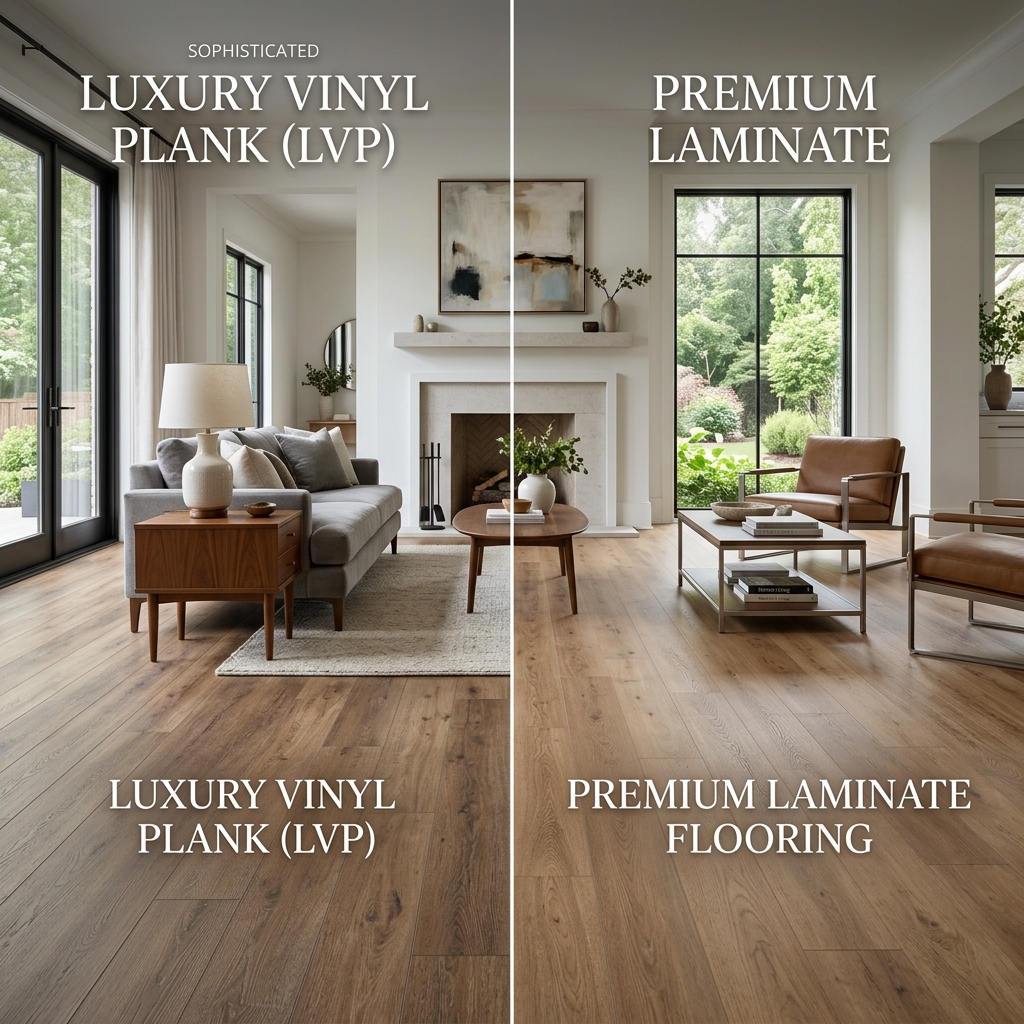
If you have large dogs, young children, or simply want floors that look pristine without constant maintenance, luxury vinyl plank may be a more practical choice than hardwood. Modern premium LVP is virtually indistinguishable from real wood visually, while offering dramatically superior scratch, dent, and water resistance. It's worth exploring — see our LVP vs. Laminate comparison for details.
Protect Your Investment
Whether you're maintaining existing hardwood or planning a new installation, HB Flooring can help. We advise on the most durable species and finishes for your lifestyle, and our professional installation includes all the details that prevent premature damage — proper expansion gaps, correct underlayment, and precision fitting around high-traffic areas. Book your free consultation and let's find the right floor for how you actually live.
Ready to Upgrade Your Floors?
Get a free, no-obligation quote. Our experts will come to your home, take precise measurements, and bring samples right to your door.
Share this article
About HB Flooring
Toronto's premier flooring installation experts. Specializing in luxury vinyl plank, laminate, and hardwood for over 15 years.
Contact our team →